We know what we do and we do what we know ...Always a step aheadWe know what we do and we do what we know ...Always a step aheadWe know what we do and we do what we know ...Always a step aheadWe know what we do and we do what we know ...Always a step aheadWe know what we do and we do what we know ...Always a step aheadWe know what we do and we do what we know ...Always a step aheadWe know what we do and we do what we know ...Always a step aheadWe know what we do and we do what we know ...Always a step ahead

Now guiding students for the March 2027 intake
Your degree in China starts with the right guidance.
We help students and families choose a city, a course and a scholarship pathway in China, then support every step of the application, from documents to admission and visa guidance.
Choose your level
Every stage of study, one trusted adviser.
Pick your level to see the entry documents you will need. Each checklist comes straight from our application requirements.
01
Pre-degree
Foundation
Prepare for degree study in China with a foundation programme.
See requirements →
02
March 2027 scholarship
Diploma
Practical diploma programmes taught in English.
See requirements →
03
13 documents
Bachelor's
Begin your undergraduate education in China.
See requirements →
04
16 documents
Master's
Advance your education through postgraduate study.
See requirements →
05
19 documents
PhD
Explore doctoral study and research opportunities in China.
See requirements →
06
Research
Post-doctoral
Continue your research career after your doctorate.
See requirements →
Cities & courses
Explore where you could study.
Choose a city to see the English-taught courses on our current list.

How it works
From “I want to study abroad” to a clear next step.
01
Eligibility assessment
Complete a short assessment for your study level so we understand where your profile stands.
02
Consultation
Speak with an adviser by phone, WhatsApp, WeChat, online or in person in Lagos.
03
Application and documents
We guide your choice of city, course and university, and check every document before submission.
04
Admission and visa guidance
We help you understand your admission notice, your JW201 or JW202 form and the X1 or X2 student visa steps.
Admission, scholarship and visa decisions rest with each institution and embassy. We make sure your application is complete and well prepared.
Student stories
Hear it from our students and their families.

Student
I got a scholarship to study Nursing Science in China

Student
How I got a full scholarship to study Nursing in China

Parent
Two daughters, two fully funded Nursing scholarships

Parent
A proud father on his son's full scholarship to China

Student
How Nathan Winner Chidalu secured a fully funded scholarship
Why China
Benefits of studying in China as an international student.
China is one of the most popular study destinations for international students. Its universities are increasingly well respected and rank favourably in world rankings, and the Chinese government offers a wide range of funding opportunities. The language, knowledge and experience you gain in China is a valuable asset for employers.
1
Worldwide recognised quality education
China is home to some of the world's top-ranked universities and offers English-taught courses across a wide range of fields. Qualifications from its universities are recognised internationally and viewed favourably by employers.
2
Employment advantages and work opportunities
China is the world's second largest economy. Studying and living there sets your CV apart: adapting to a new culture, language and way of life gives you a fresh perspective that employers value. Students may also take part-time work with the approval of their university and the authorities.
3
Cultural integration and tradition
Experience 5,000 years of culture and history, from the Great Wall to traditional festivals, dialects and cuisine. Learning some Mandarin along the way makes you an even more attractive hire.
4
Travel and explore
China is so vast that it offers beaches, mountains, deserts and ski slopes. From Beijing's Forbidden City and the Great Wall to the rice terraces of Guangxi, there is no shortage of natural and man-made wonders to see.
5
Affordable tuition and living costs
Studying and living in China is often more affordable than in Europe, the United States and many other countries. Tuition, food and public transport are reasonably priced, and it is easy to travel across the country by train or plane.
6
Networking
Studying alongside Chinese and international classmates helps you build a network of friends and contacts. Whether you work in China, at home or elsewhere, that experience and network can help you build a successful career.
Scholarships
Fully and partially funded pathways.
Scholarship benefits vary by programme and level. Depending on the award, they can include tuition, accommodation, medical insurance and a monthly allowance.
1
Chinese Government Scholarship (CSC)
Fully funded. Typically covers tuition, on-campus accommodation, medical insurance and a monthly stipend.
2
Provincial and municipal scholarships
Offered by local governments, from full tuition waivers to annual living stipends.
3
University scholarships
Funded by universities, as full (tuition and housing) or partial (tuition) awards.
4
Affordable fees (low tuition) scholarships
Low or reduced tuition fees that make a quality degree in China more affordable.

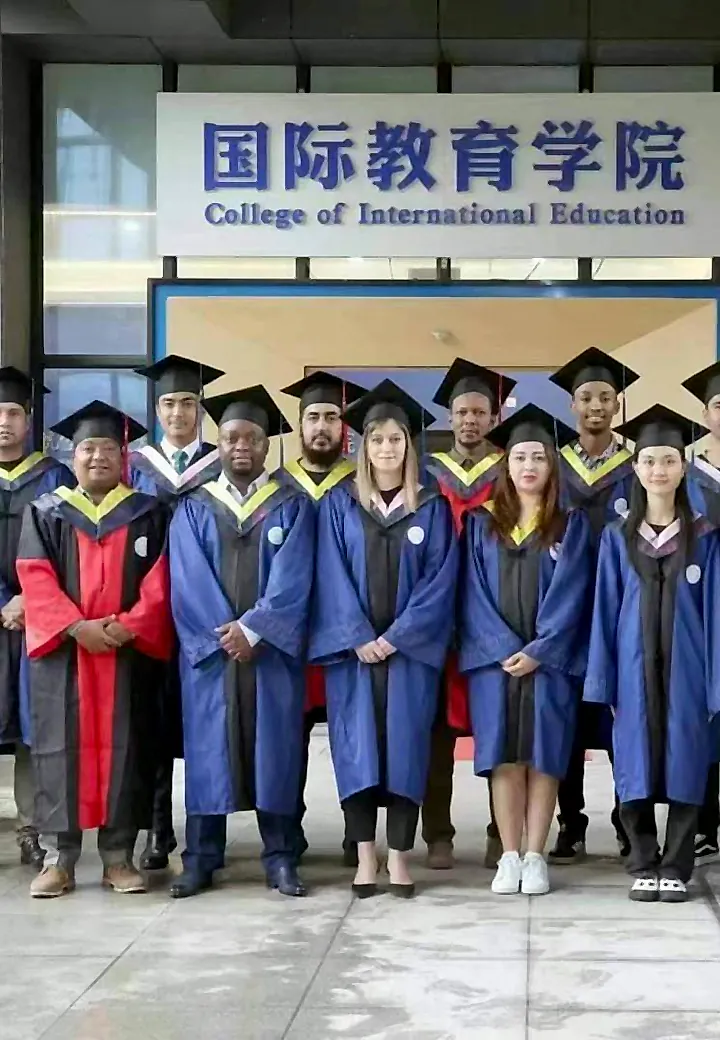
Latest news and insights
Guides for students and parents.
 China Leads the World in High-Quality Biomedical Engineering ResearchChina tops the Nature Index for high-quality biomedical engineering research from 2021 to 2025, with nearly twice the article share of the…Read article →
 China Is Teaching AI to Nearly 200 Million School Students by 2030AI lessons, coding classes and robotics projects are spreading through Chinese schools, with a goal of reaching nearly 200 million students by…Read article →
 CSCA: The New Entry Test for Undergraduate Study in ChinaFrom the 2026/2027 academic year, international bachelor's applicants must sit the CSCA. Here is what it tests, when it runs and how…Read article →
FAQs
Questions families ask us first.
Not sure where you fit? Start with an eligibility check.
Tell us about your education and study plans. We review your profile and recommend your next step.